Low product familiarity
Many shoppers recognised the idea of a sugar alternative but needed clearer explanation on usage, dosage, taste and occasions.
Digitera Africa supported a Stevia market activation campaign designed to explain the product, create tasting opportunities, build point-of-sale confidence and capture shopper feedback around taste, price and repeat-use potential.

Stevia needed more than shelf presence. Consumers had to understand how to use a sugar alternative, what it tasted like, who it was for and why it could fit into everyday tea, coffee, wellness and household routines.
Many shoppers recognised the idea of a sugar alternative but needed clearer explanation on usage, dosage, taste and occasions.
Health-led categories need direct trial because shoppers often hesitate when they cannot imagine the taste or compare it with sugar.
Retailers needed evidence that shoppers were asking questions, tasting the product and showing interest beyond passive shelf browsing.
Digitera Africa organised the activation around education, sampling, retail visibility, wellness positioning and structured field learning so the brand could understand both adoption drivers and barriers.
Promoters explained product use, dosage, sweetness, everyday occasions and the difference between Stevia and normal sugar.
Live tea, coffee and beverage tasting moments helped shoppers experience the product before purchase consideration.
Activity was placed around supermarkets, wellness settings, cafe use cases and health-led consumer environments.
Field teams captured questions, objections and repeat-use signals to help the brand refine communication and trade support.
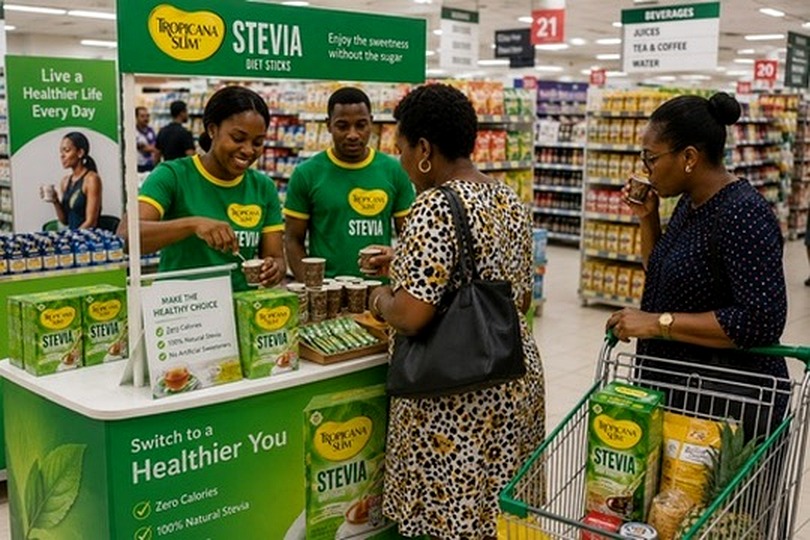
The activation showed that many purchase barriers could be addressed through simple, practical explanation. Once consumers tasted the product and understood how to use it, the conversation moved from uncertainty to relevance.
Product trial helped answer the first question shoppers had: whether a sugar alternative could still taste acceptable in everyday drinks.
Many consumers needed clear guidance on quantity, occasions and how Stevia compared with normal sugar in tea, coffee and home use.
Wellness messaging worked best when paired with practical tasting, clear product claims and simple lifestyle use cases.
Digitera Africa used a practical field model combining supermarket education, health-led activation, sampling, cafe tasting and retail feedback collection.
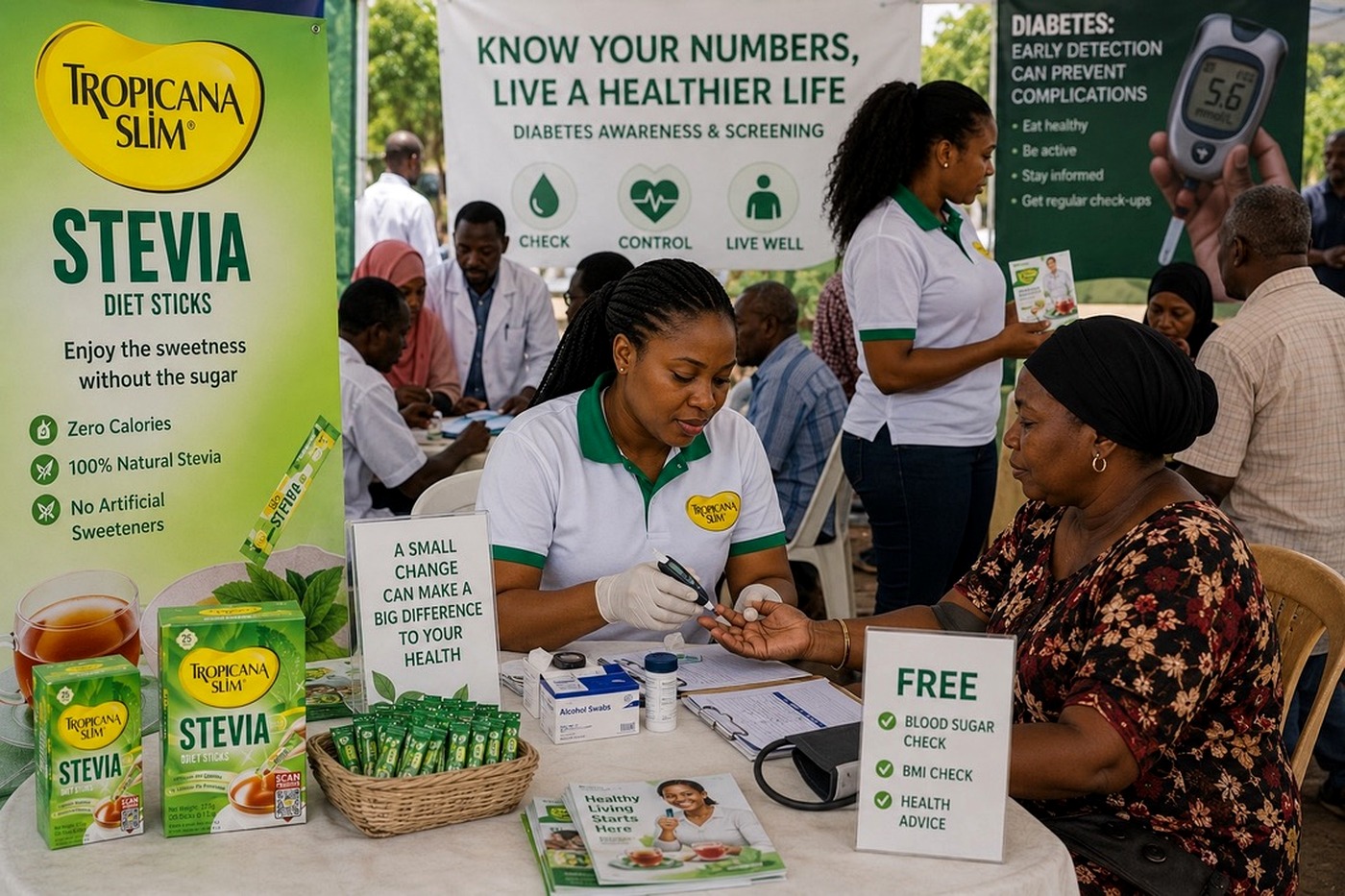
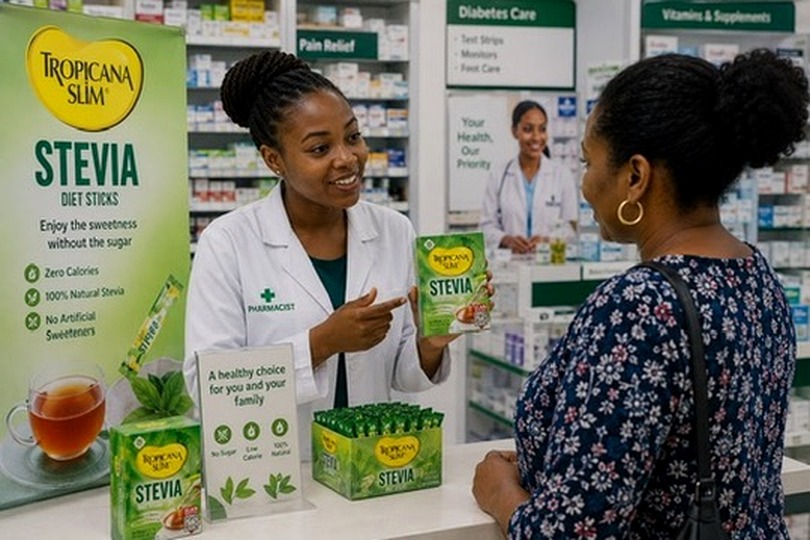
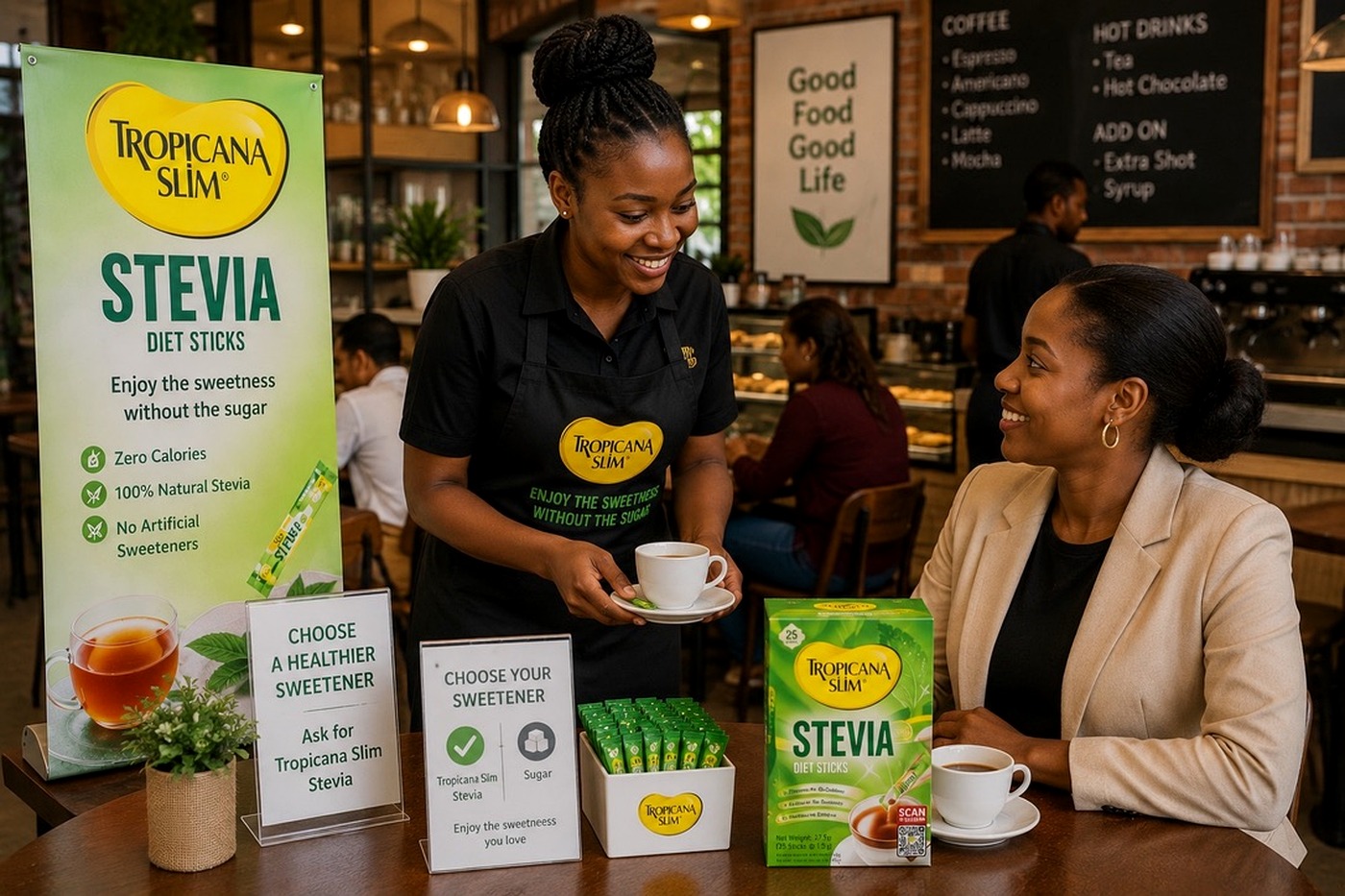
The campaign used activation indicators that can be reasonably tracked by field teams: touchpoints activated, people engaged, sampling interactions, education moments, questions logged and retailer feedback captured.
Number of shoppers, consumers and wellness visitors engaged through booth, retail and cafe activity.
Tasting moments created through tea, coffee and beverage demonstrations at selected touchpoints.
Consumer questions logged around taste, dosage, price, health perception and repeat-use interest.
Feedback from outlets and promoters on display, shopper response, category fit and point-of-sale visibility.
These are activation indicators, not long-term market-share claims. They show the scale of education, sampling and learning delivered during the campaign period.
Structured activation sprint across priority retail, wellness and lifestyle touchpoints.
Consumers, shoppers and wellness visitors reached through direct engagement.
Tasting and sampling interactions generated through tea, coffee and beverage demos.
Retail, wellness, cafe and demo touchpoints activated during the campaign period.
Trained promoters and field supervisors deployed across selected activation locations.
Structured demo days completed across supermarket, wellness and lifestyle settings.
Consumer questions, objections and product-use concerns logged by field teams.
Retailer and outlet feedback points captured on pricing, placement and shopper response.
Note: Metrics are presented as campaign-period activation indicators based on field activity logs, demo counts, promoter reports and outlet feedback. They are not presented as audited sales, market-share or long-term repeat-purchase claims.
The Stevia case showed that products positioned around wellness, lifestyle and behaviour change need more than visibility. Consumers need to taste, ask questions, understand use and see the product as practical for everyday life.
Digitera Africa helped turn a technical product benefit into a market conversation by combining retail visibility, live sampling, wellness positioning and disciplined field feedback.
Digitera Africa can help structure the market question, design the activation model, train field teams, execute at retail and capture the evidence needed to improve the next decision.